How Does Vacancy Affect Commercial Property Value in the NY Metro?
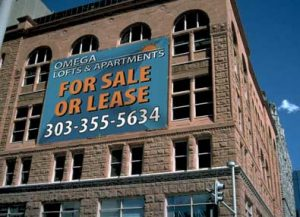
Vacancy isn’t just empty space. In the NY Metro, it’s a signal.
A signal to buyers. A signal to lenders. A signal to the market.
And signals move pricing.
Let’s break down how vacancy truly impacts value — and when it can actually be used strategically.
⚠️ Vacancy = Perceived Risk
In commercial real estate, buyers don’t just buy buildings.
They buy cash flow certainty.
In markets like New York City and surrounding NY Metro submarkets, vacancy immediately triggers questions:
Why is it empty?
How long has it been vacant?
What will it cost to lease?
Is the rent above market?
Is the tenant mix weak?
Even if the space is perfectly fine, vacancy increases perceived risk.
And perceived risk = higher cap rate.
Higher cap rate = lower value.
📉 A 0.5% cap rate increase on a $5M property can erase hundreds of thousands in value.
🧮 Buyer Underwriting Assumptions
Buyers in today’s NY Metro environment underwrite aggressively.
Here’s what they assume when they see vacancy:
🔹 6–12 months of downtime🔹 Leasing commissions (5–10%+)🔹 Tenant improvement allowances🔹 Free rent concessions🔹 Carrying costs during lease-up
That “just one vacant unit” can quickly turn into a six-figure underwriting adjustment.
Example:
$200,000 annual rent vacancy
9 months downtime assumed
$75,000 TI package
$40,000 commission
Buyers don’t discount just the income — they discount the friction to replace it.
And that friction directly reduces their offer price.
⏳ Timing Vacancy: Before vs. After Sale
This is where strategy matters.
There are two very different sale scenarios:
🟢 1. Sell Stabilized (Lease First)
Pros:✔ Maximizes NOI✔ Compresses cap rate✔ Attracts more buyers✔ Improves lender terms
Cons:✖ Takes time✖ May require concessions
In core NY Metro submarkets, stabilized assets command premium pricing because capital is chasing predictability.
🟡 2. Sell With Vacancy (Value-Add Play)
Pros:✔ Appeals to opportunistic investors✔ Faster timeline✔ No leasing risk for seller
Cons:✖ Higher cap rate✖ Reduced buyer pool✖ More aggressive underwriting
In boroughs like Brooklyn or Queens, value-add buyers exist — but they price vacancy with discipline.
They’re not guessing.
They’re calculating.
🧠 When Leasing First Makes Sense
Leasing before selling often makes sense when:
✔ Market rents are rising✔ Demand is active in your submarket✔ Buildout requirements are modest✔ Vacancy is temporary (recent rollover)
In competitive corridors like Manhattan retail or medical office pockets in White Plains, stabilized income dramatically shifts pricing leverage.
Remember:
A leased space sells on income. A vacant space sells on potential.
Income trades higher than potential almost every time.
💥 When Vacancy Materially Impacts Value
Let’s quantify it.
Scenario A — Fully leased:
NOI: $1,000,000
Cap Rate: 6%
Value: $16.67M
Scenario B — 20% vacancy:
NOI: $800,000
Cap Rate expands to 6.75% due to risk
Value: $11.85M
That’s a $4.8M swing.
Not from physical condition. Not from location. From vacancy + risk perception.
That’s the power of stabilization in the NY Metro market.
🎯 The Bottom Line
Vacancy doesn’t just reduce income.
It:
Increases perceived risk
Expands cap rates
Shrinks buyer pools
Triggers conservative underwriting
But…
Handled strategically? Timed correctly? Positioned properly?
Vacancy can become leverage — not liability.
📊 Ready for a Vacancy Strategy Review?
If you’re considering selling in the NY Metro and have:
Upcoming lease expirations
Current vacancy
Below-market rents
Uncertain timing
Let’s map out the strategy before you list.
Because in this market…
Timing vacancy correctly can mean millions.



Comments